

Nvidia and its CEO Jensen Huang were hit with a proposed class action lawsuit on Monday, alleging they misled shareholders by hiding Huang’s connections to a suspected Chinese spy.
A complaint submitted in federal court in San Jose, California, claims that the defendants provided false information to shareholders regarding Huang’s purported affair with Alice Huang, a former executive at Singapore’s Megaspeed, who is not related to him. The lawsuit also asserts that they failed to reveal that the situation posed national security risks that could jeopardize Nvidia’s reputation and business opportunities.
The New York Times reported last month on the alleged relationship and indicated that U.S. authorities had determined Alice Huang to be connected to Chinese intelligence.
Nvidia has not yet provided a comment in response to inquiries. Jensen Huang informed Nvidia employees that he had been unfaithful to his spouse but did not disclose specifics about the alleged affair.
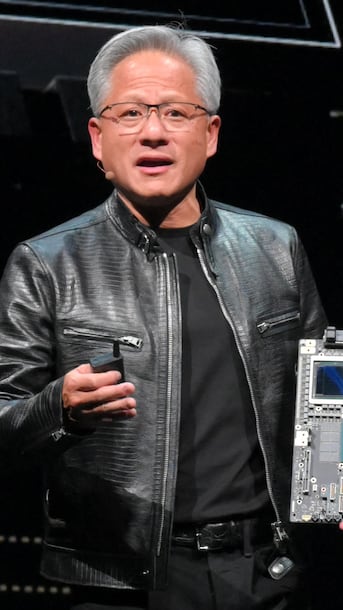
U.S. tech giant Nvidia’s shares tumbled after CEO Jensen Huang admitted to an affair with a woman accused of spying for Beijing. Andrew Chang breaks down what we know so far and what the scandal means for the world’s most valuable AI chipmaker.
Images provided by The Canadian Press, Reuters, Adobe Stock and Getty Images
Huang, who co-founded Nvidia, has steered the Santa Clara, California-based firm to become the leading chipmaker globally, making him a significant figure in the artificial intelligence sector.
On Sunday, Nvidia announced it would investigate the situation. On Monday, the company’s shares fell by 4.3%, leading to a decrease of about $190 billion in Nvidia’s market capitalization. The lawsuit was lodged just five minutes following the closing of the U.S. stock market.
It is not unusual for shareholders to initiate lawsuits against companies following unexpected declines in share prices. Shareholders, led by Mark Kistenmacher, are seeking unspecified damages from the defendants.
Kistenmacher aims to represent all individuals who purchased Nvidia shares between October 9, 2025, and November 8, 2026, which includes the period when the New York Times first reported on Huang’s meeting with the alleged spy and when Nvidia announced it would be investigating claims of foreign intelligence targeting its CEO.