

Researchers indicate that the lack of knowledge regarding marine life is impeding conservation efforts. Consequently, numerous scientists are striving to uncover and catalog the vast array of species inhabiting ocean ecosystems that are often difficult for humans to reach.
The Ocean Census, a worldwide partnership of scientists and non-profit organizations, approximates that less than 10 percent of approximately 2.2 million fish, marine mammals, shellfish, plankton, squid, jellyfish, and other aquatic species have been documented.
“It’s extremely challenging to safeguard what remains unknown,” stated Michelle Taylor, the scientific director at Ocean Census.
Among the 57 newly identified species announced in October from an Ocean Census expedition off the coast of Argentina last year, is a sea cucumber with horn-like appendages, known as Loki, and a vivid red-orange coral featuring delicate fan-like branches.
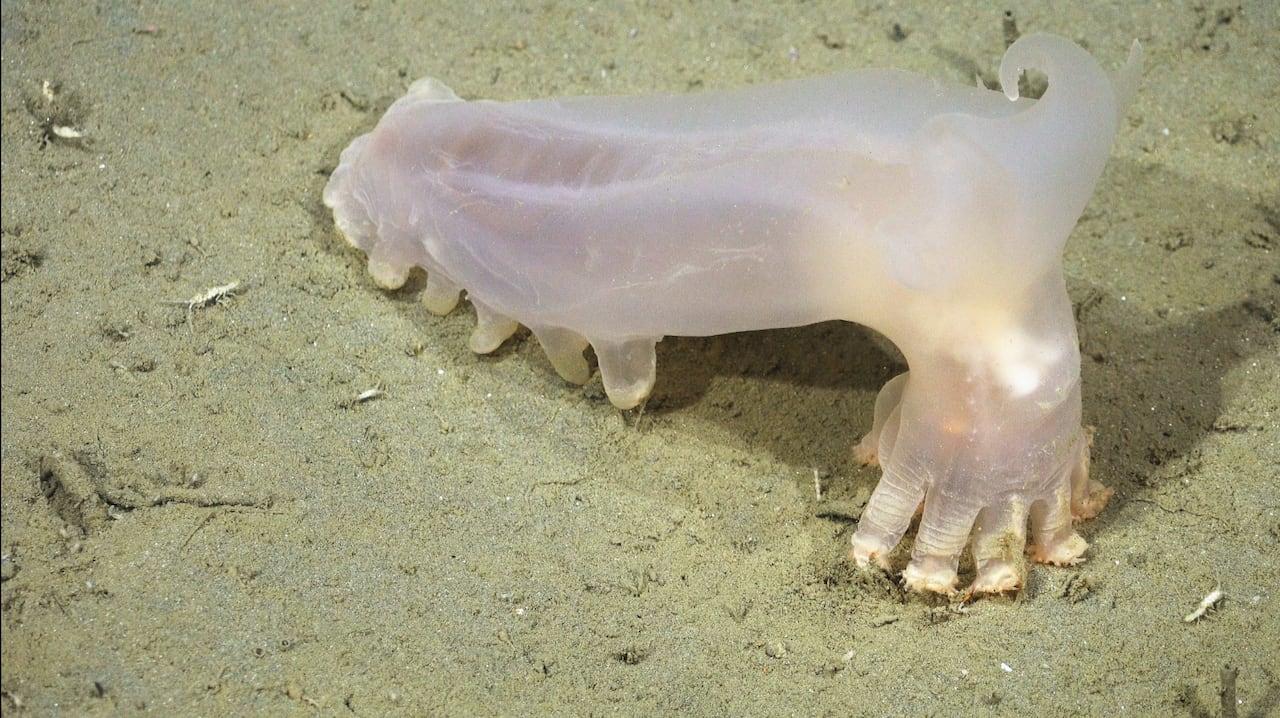
This newly discovered sea cucumber, named Loki for its distinctive horned appendages reminiscent of the Norse god, was located in the Mar del Plata submarine canyon near Argentina. (ROV SuBastian/Schmidt Ocean Institute)
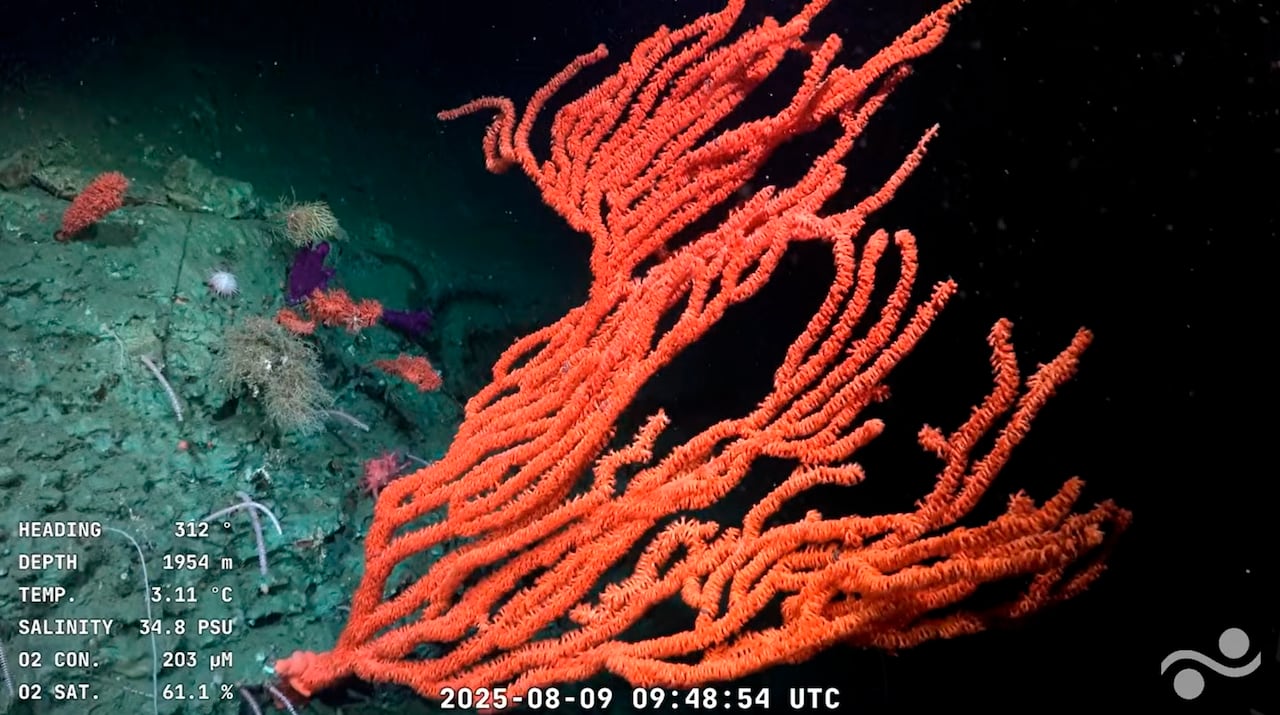
A vibrant red-orange octocoral was photographed almost 2,000 metres beneath the ocean’s surface in the Mar del Plata canyon, Argentina. (ROV SuBastian/Schmidt Ocean Institute)
A significant UN biodiversity agreement reached in 2022 pledged to conserve 30 percent of the planet’s land, water, and marine areas by 2030, but has been underperforming in ocean protection, with only 12 percent of oceans (compared to 27 percent of terrestrial areas) projected to be safeguarded by 2030.
According to the Canadian Parks and Wilderness Society (CPAWS), Canada has currently protected 15.5 percent of its ocean territories.
Claire Goodwin, a research scientist at Huntsman Marine Science Centre in St. Andrew’s, N.B., emphasized the need to conserve regions with rich biodiversity.
“However, if you are not conducting surveys of your marine species and are unaware of what resides there, you cannot identify which areas are biodiverse,” she remarked.
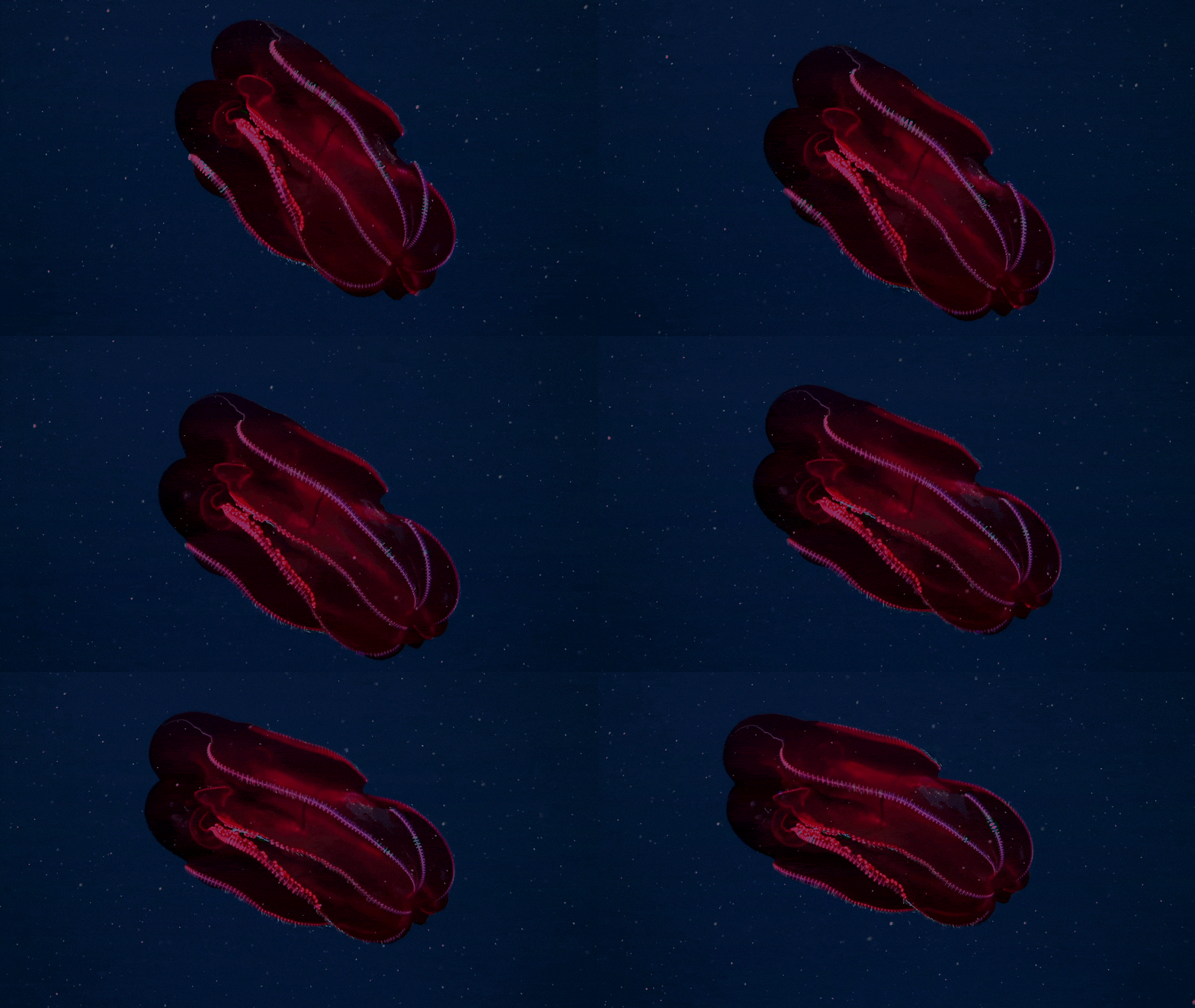
A cone jelly captured by the remotely operated vehicle SuBastian off the coast of Argentina. (ROV SuBastian/Schmidt Ocean Institute)
Meat-eating sponges and their habitats
The challenge lies in the fact that numerous regions within Canada are hard to explore. Goodwin participated in an expedition within the Saguenay Fjord in Quebec in 2023.
On the canyon’s steep walls, where only one sponge species had been previously recorded, her team uncovered 20 to 30 sponge varieties, some of which are new to science.
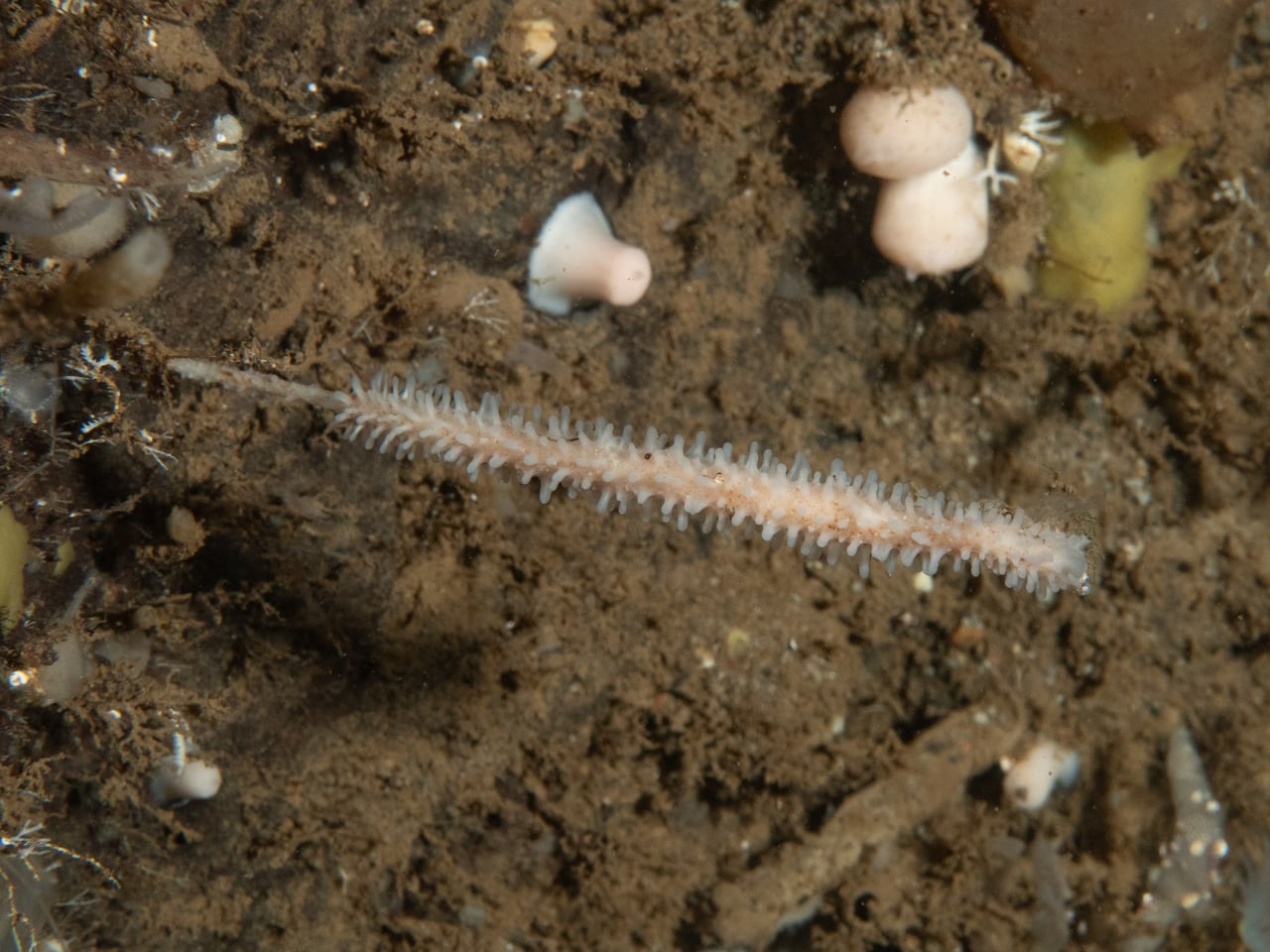
Carnivorous sponges were discovered in Quebec’s Saguenay Fjord in 2023. (Claire Goodwin/HMSC)
The findings included carnivorous sponges that ensnare shrimp using glass-like, velcro-style appendages to slowly consume and digest their prey, which Goodwin found particularly exciting, as most sponges are known to be passive filter feeders.
Goodwin noted that sponges play vital roles within ecosystems—serving as sustenance for sea stars, providing housing for certain worms, and acting as spawning grounds for various fish species. In Canadian waters, sponges can also reach sizes comparable to that of an adult human.
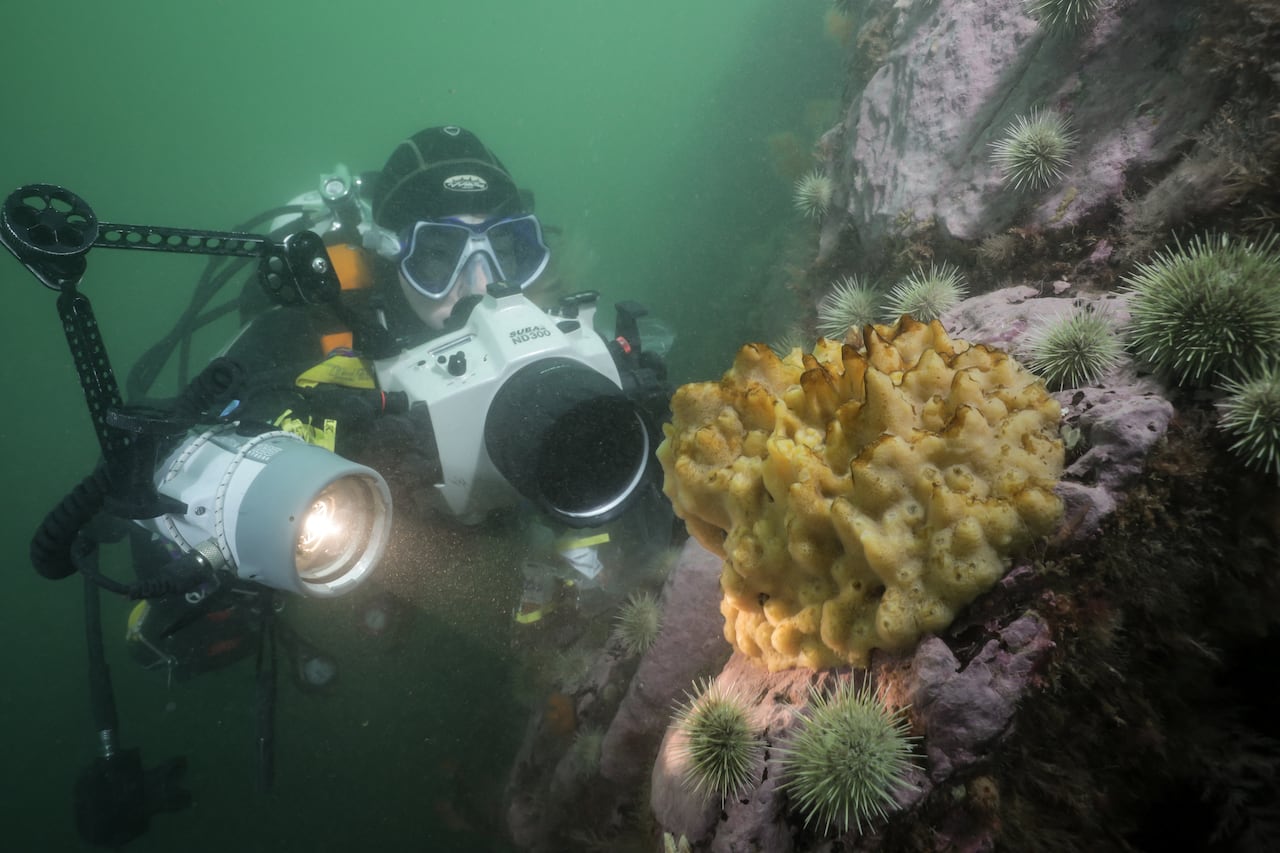
Claire Goodwin gathers sponges in the Bay of Fundy off New Brunswick’s coast. (Torben Brydges/Fisheries and Oceans Canada)
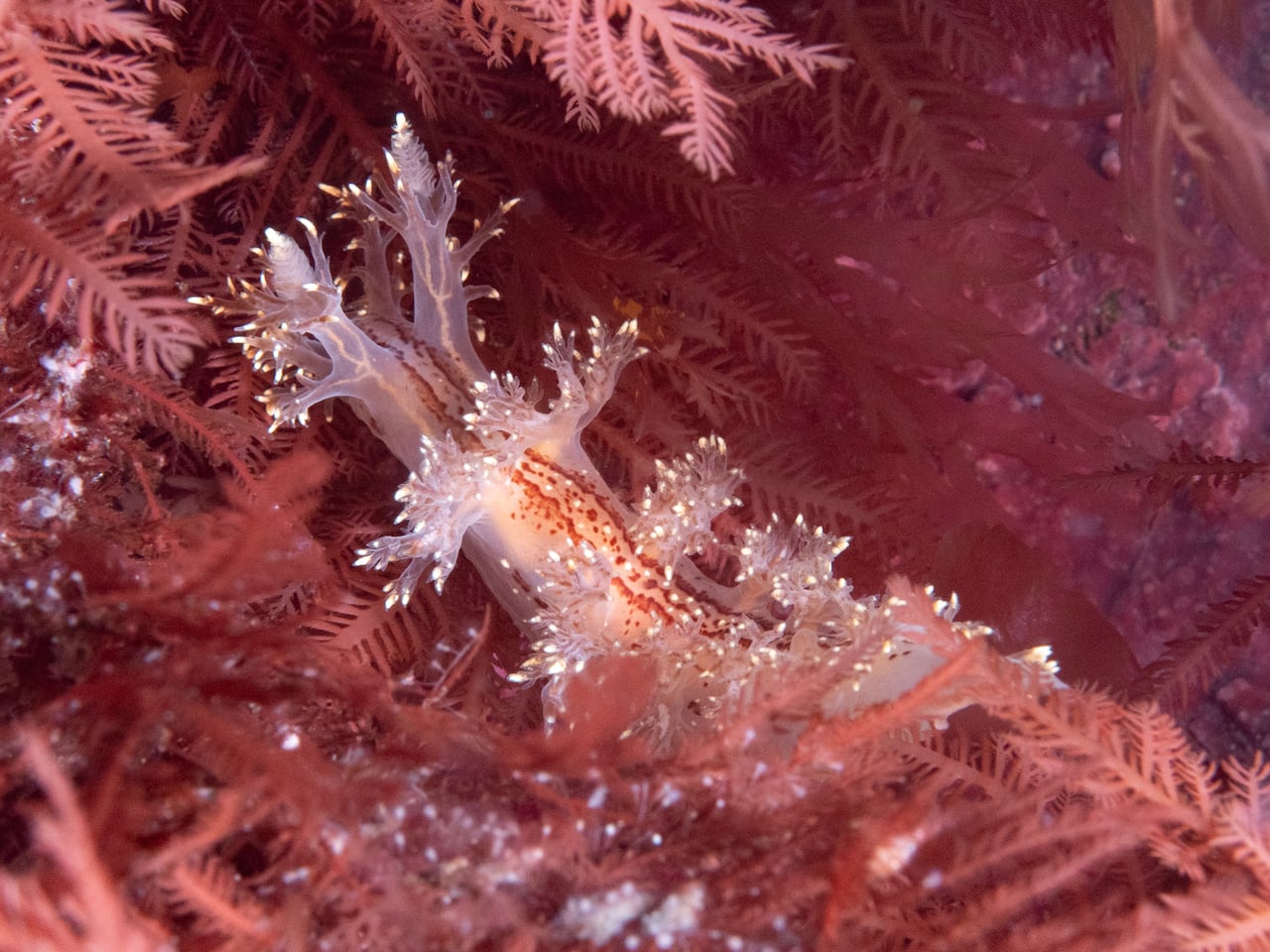
The sea slug Dendronotus yrjargul was documented during a recent expedition led by the Innu Nation, marking the first occurrence of this species off Canada’s coast. (Claire Goodwin/HMSC/Innu Nation)
Currently, Goodwin is collaborating with the Innu Nation in Labrador to survey unexplored waters in their territory. “We genuinely have no idea what the seabed will look like, let alone what species inhabit it.”
Effects of climate change and potential solutions
The urgency to uncover this information is heightened as the ocean rapidly warms, and climate change alters the distribution of species.
Goodwin notes that certain species have vanished entirely from areas where they were once abundant. She cites basket stars, “fascinating sea stars with branching arms,” which were previously common around St. Andrew’s but have not been spotted there since a period of rapid warming around 2016.
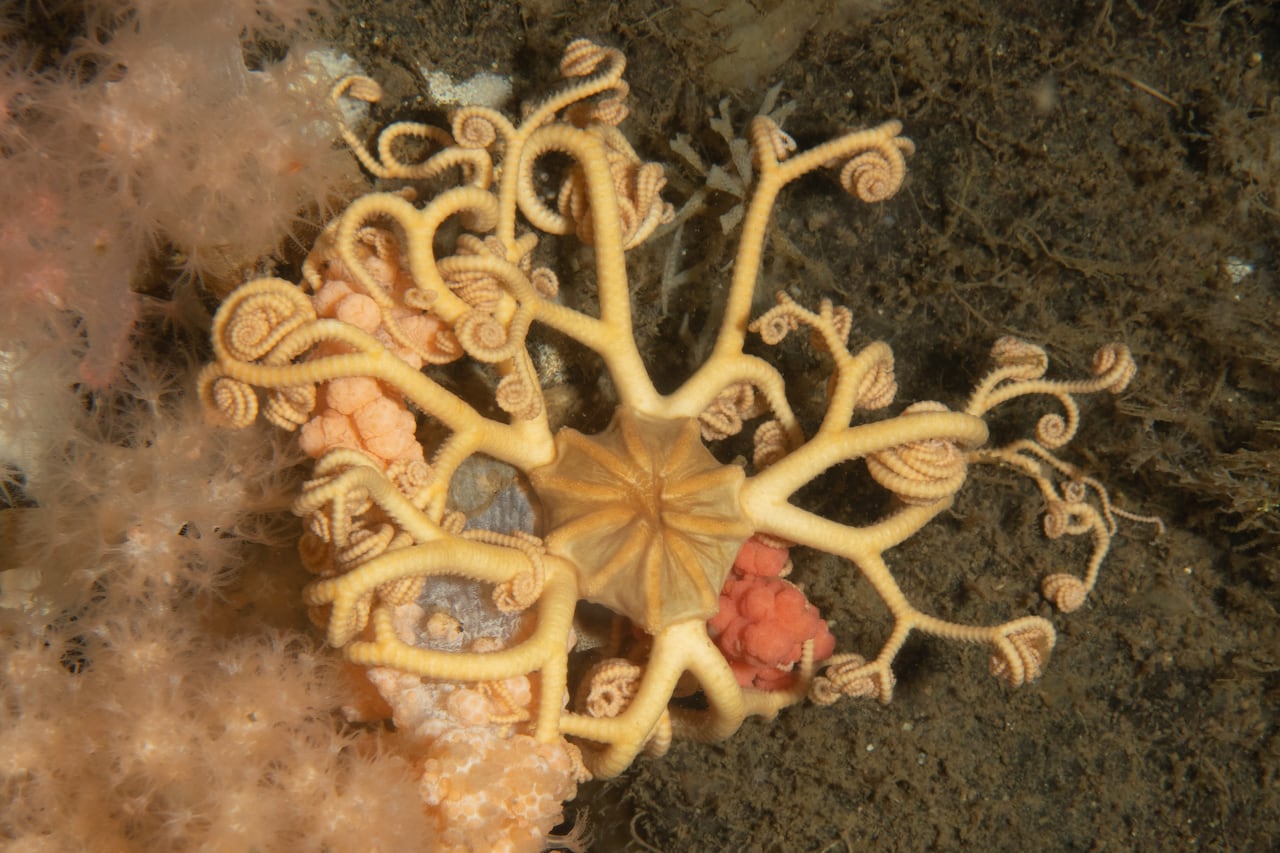
A basket star, Gorgonocephalus arcticus, was observed in the Saguenay Fjord. This species was once prevalent in the Bay of Fundy but appears to have vanished due to climate change. (Claire Goodwin/HMSC)
Loïc Jacquemot, a postdoctoral researcher at Université du Québec à Rimouski, stated that in many regions, there is a lack of baseline data for comparing changes.
He is currently exploring Baffin Bay off Nunavut’s coast using a method known as eDNA, which detects species from DNA released into the water through the organisms’ skin, excrement, and tissues. This enables species identification without the need for direct observation or capture; a simple water sample is sufficient.

Loïc Jacquemot collects water samples for eDNA analysis in the coastal fjords of British Columbia. (Submitted by Loïc Jacquemot)
He predicts that species adapted to cooler waters will be confined to increasingly smaller areas, “as they cannot migrate much further north,” while those suited to warmer waters may extend their habitat.
This shift could significantly affect the food chain, including fish and shellfish that humans consume, as well as the oceanic carbon distribution facilitated by zooplankton species that migrate daily between the surface and deeper waters.
“This is crucial for the climate since all these changes influence how carbon is sequestered in the ocean,” Jacquemot remarked.
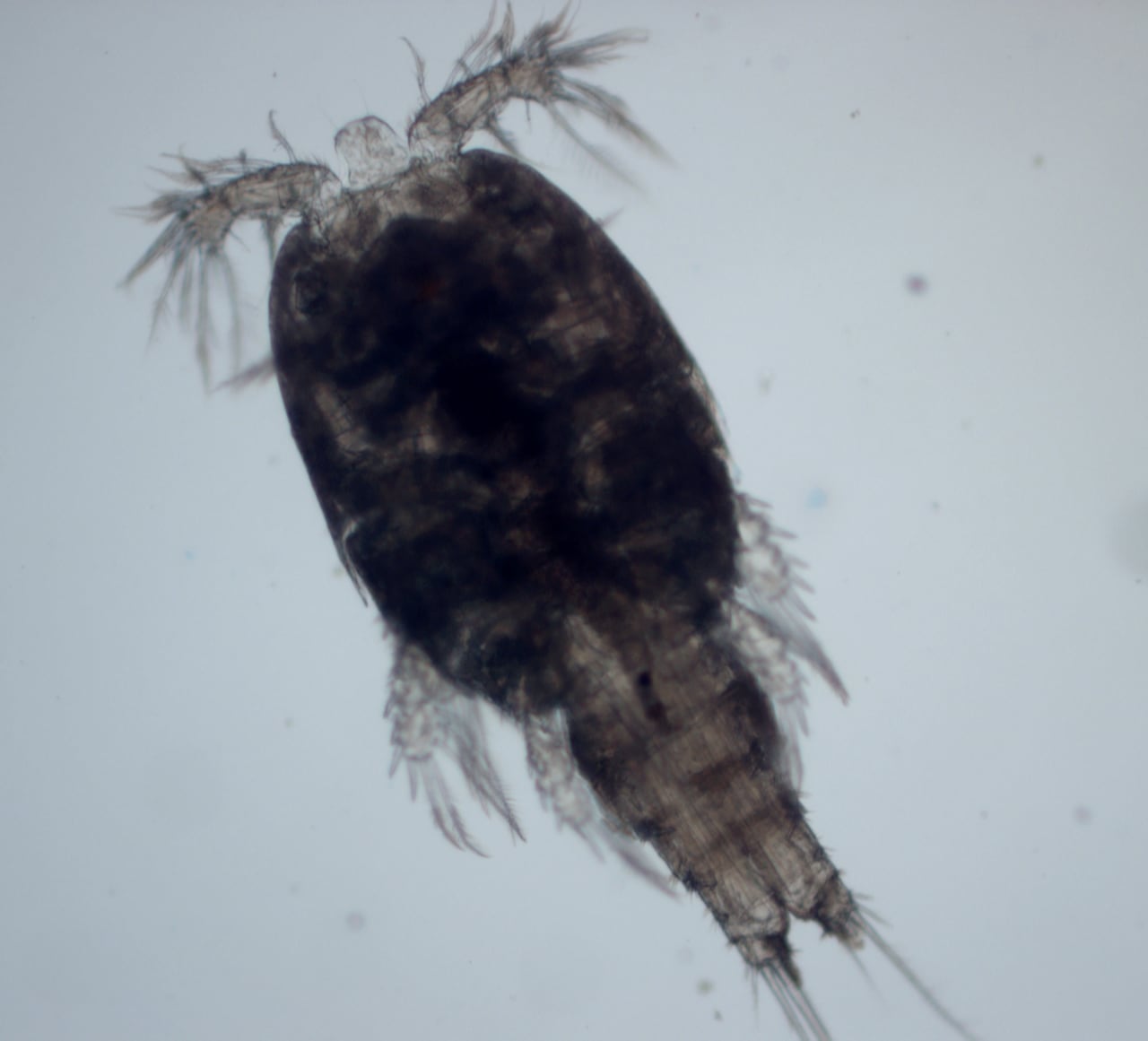
This small copepod is among the 20 new species identified by the Ocean Census in October. These organisms are part of the zooplankton that transport carbon between the surface and ocean depths. (The Nippon Foundation-Nekton Ocean Census/Schmidt Ocean Institute)
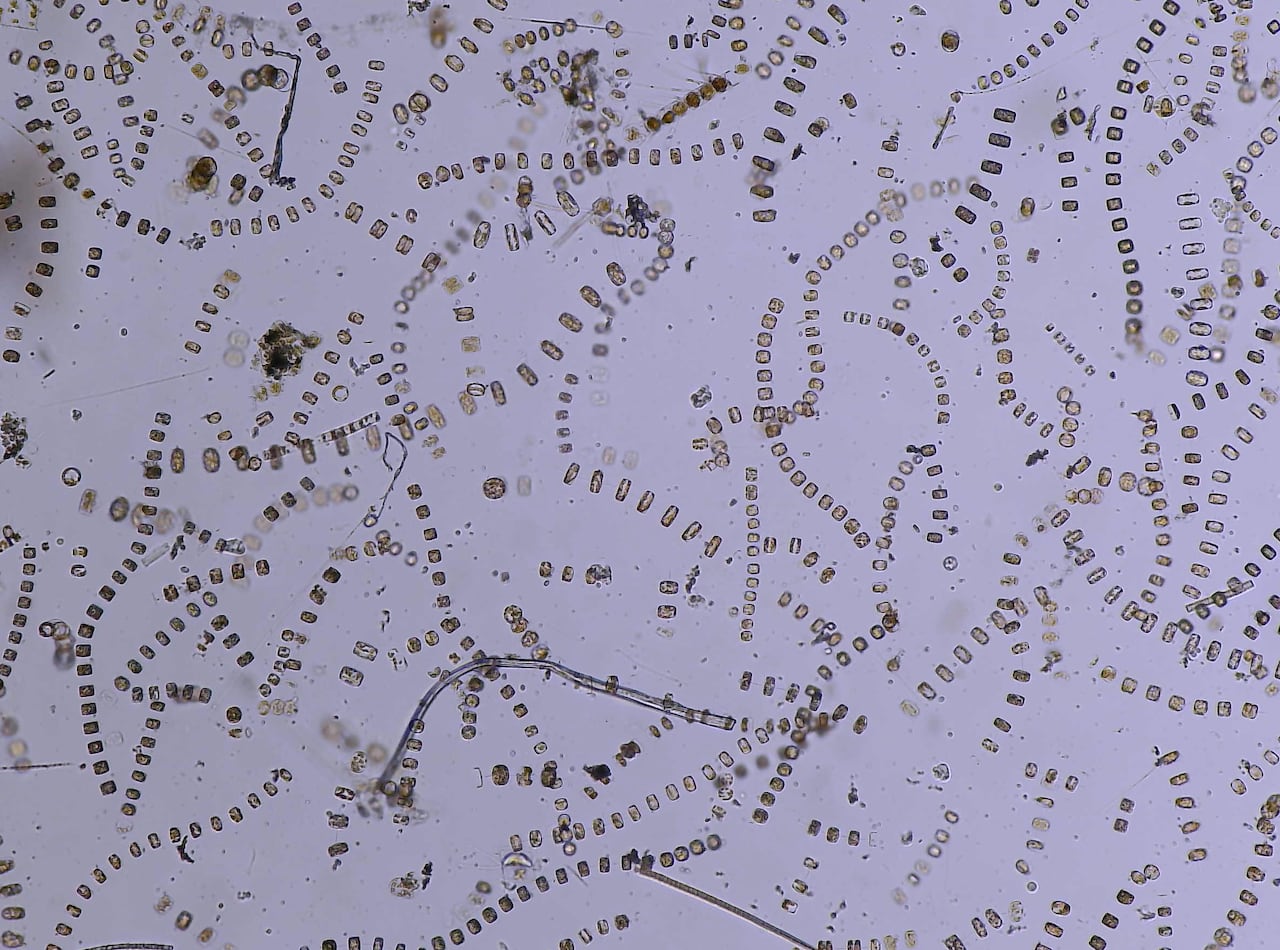
Photosynthetic algae known as diatoms from Greenland’s fjords. Diatoms play a significant role in capturing carbon dioxide in oceanic environments. (Submitted by Loïc Jacquemot)
The carbon sequestered by the ocean and its inhabitants is referred to as blue carbon. Currently, it accounts for 30 percent of the carbon dioxide emitted by human activities and 90 percent of the surplus heat trapped by climate change, as highlighted by a recent UN report, which cautioned that the ocean’s capacity to absorb additional CO2 and heat is diminishing.
In addition, coral reefs, recognized as biodiversity hotspots with the capacity to store substantial amounts of carbon, are among the ecosystems most at risk from climate change.
This year’s UN climate summit, COP31, currently taking place in Antalya, Turkey, focuses on the role of the ocean and its species in climate change. Safeguarding marine ecosystems and “unlocking blue carbon for climate resilience” is featured as one of ten priorities on the conference’s “action agenda.”
During COP31 this week, former U.S. Secretary of State John Kerry and representatives from island nations advocated for a strong emphasis on oceans in next year’s global “stocktake” of climate strategies, with backing from the European Union and African nations.
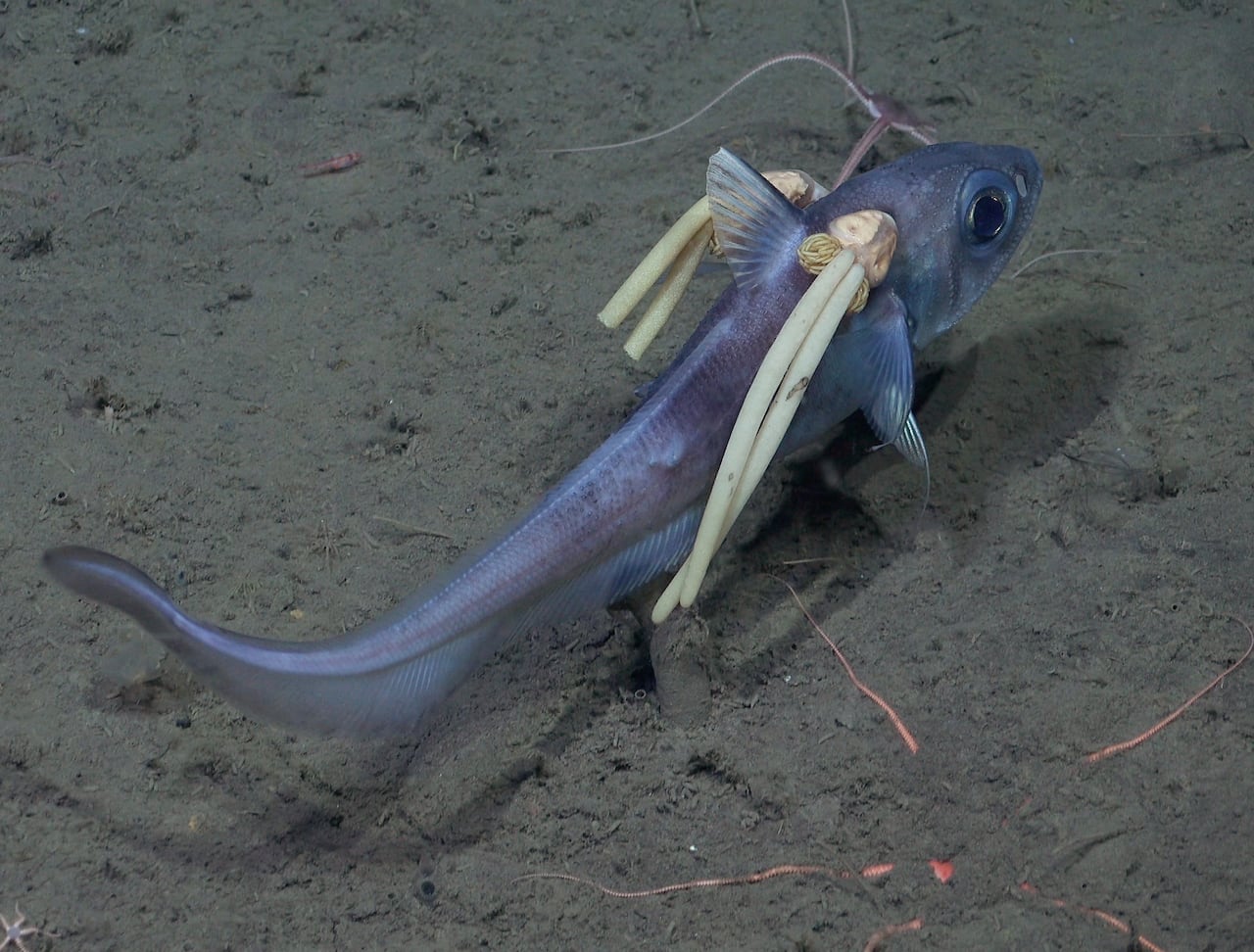
This grenadier fish was seen with parasitic copepods attached to its head during a 2025 Ocean Census expedition near Montagu Island in Antarctica. (ROV SuBastian/Schmidt Ocean Institute)

This marine worm, Harmothoe imbricata, was discovered off the Atlantic coast of Canada. (Christy Carr/HMSC)
Essential for the biogeochemical processes of our planet
Taylor from Ocean Census emphasizes the significance of marine ecosystems for humanity—not only for those living near the coast but also for those far removed from it, as they contribute to food and medicine production on a broader scale. “It’s integral to the biogeochemical functioning of our planet. We are highly dependent on it, whether we are aware of it or not.”
Taylor, Goodwin, and Jacquemot all aspire that by showcasing the astonishing diversity of marine life, they can foster a deeper appreciation for the necessity of its conservation.
“When we present individuals with images and videos of what lies beneath the waves, they are consistently astonished by the wealth of life we possess down there,” Goodwin remarked.

Michelle Taylor, the scientific leader for Ocean Census, observes footage from the ROV SuBastian during a mission to catalog deep-sea species. (Paul Satchell)
Taylor describes the ocean’s inhabitants as a remarkable array of “extraordinarily unique creatures” and mentions that for some, “you would scarcely believe they belong to this planet.”
She expressed particular concern for coral reefs but maintains that “we must adopt a mindset that solutions exist.” Meanwhile, she stressed, “we have to identify as many species as possible to understand the biodiversity on this planet before it is lost.”
This article is part of a series focusing on scientists examining disappearing species you may not have considered much. It’s an opportunity to learn about them, their impact on our lives, and what can be done to ensure their survival.